
Introduction
High blood pressure (hypertension) doesn’t usually announce itself with pain or obvious warning signs. That’s what makes it so dangerous. You can feel completely fine while your blood vessels are under constant strain, day after day.
If you’ve ever been told your blood pressure is “a little high,” or avoided checking it because you didn’t want bad news, you’re not alone. Millions of people live with high blood pressure—also known as hypertension—without fully understanding what it means or how serious it can become.
In this guide, we’ll explain high blood pressure (hypertension) in clear, straightforward terms. You’ll learn what it is, why it happens, how it affects your body, and—most importantly—what you can do to manage it. We’ll cover the numbers, symptoms, causes, lifestyle changes, and treatment options without medical jargon or fear-driven language.
This isn’t about panic. It’s about awareness, clarity, and giving you control over your health—starting today.
What Is High Blood Pressure (Hypertension)?
High blood pressure, or hypertension, occurs when the force of blood pushing against your artery walls remains elevated over time. Think of it like water flowing through a hose—when the pressure stays too high for too long, the hose gradually wears down.
Your blood pressure is measured using two numbers:
- Systolic pressure (top number): Pressure when your heart beats
- Diastolic pressure (bottom number): Pressure when your heart rests
A normal reading is usually around 120/80 mmHg.
High blood pressure (hypertension) is diagnosed when readings consistently stay at 130/80 mmHg or higher.
The key word here is consistently. One high reading doesn’t mean you have a problem. Patterns matter.
Why High Blood Pressure (Hypertension) Is Called the Silent Killer
One of the scariest things about high blood pressure (hypertension) is how quiet it can be.
Most people feel no symptoms at all.
No pain.
No dizziness.
No warning.
Yet inside your body, damage may already be happening.
Over time, uncontrolled high blood pressure (hypertension) can:
- Damage your arteries
- Strain your heart
- Increase stroke risk
- Harm your kidneys
- Affect your vision
I’ve seen people ignore “borderline” numbers for years, only to be shocked when serious complications appear. That’s why awareness matters more than fear.
Common Causes of High Blood Pressure (Hypertension)
High blood pressure (hypertension) rarely has just one cause. It usually develops from a mix of habits, genetics, and lifestyle factors.
Primary (Essential) Hypertension
This is the most common type. It develops gradually over time.
Contributing factors include:
- Poor diet
- High salt intake
- Lack of exercise
- Chronic stress
- Aging
- Family history
Secondary Hypertension
This type has a clear underlying cause.
Possible triggers include:
- Kidney disease
- Hormonal disorders
- Certain medications
- Sleep apnea
- Excessive alcohol use
Identifying the cause can make high blood pressure (hypertension) easier to treat.
ALSO READ : Elon Musk Closes in on $800Billion Net Worth: After XAI’s Latest Funding Round
Risk Factors You Shouldn’t Ignore
You’re more likely to develop high blood pressure (hypertension) if you:
- Are over 40
- Are overweight
- Smoke or vape
- Eat a processed-food-heavy diet
- Sit most of the day
- Have chronic stress
- Have a family history
Some factors are outside your control. Many are not.
That’s actually good news.
Symptoms: When High Blood Pressure (Hypertension) Does Show Itself
Most people feel nothing. But when symptoms appear, blood pressure is often already very high.
Possible symptoms include:
- Persistent headaches
- Shortness of breath
- Chest pain
- Nosebleeds
- Blurred vision
- Fatigue
If you experience these suddenly, seek medical help immediately
Understanding Blood Pressure Numbers
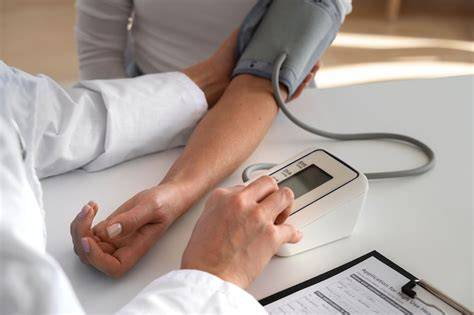
Let’s simplify the categories:
Blood Pressure Ranges
- Normal: Below 120/80
- Elevated: 120–129 / below 80
- High Blood Pressure (Hypertension) Stage 1: 130–139 / 80–89
- High Blood Pressure (Hypertension) Stage 2: 140+/90+
- Hypertensive Crisis: 180+/120+
Numbers tell a story. Don’t ignore them
How High Blood Pressure (Hypertension) Affects Your Bo
Heart Damage
Your heart works harder to pump blood. Over time, it thickens and weakens.
Brain Risks
High blood pressure (hypertension) is one of the biggest risk factors for stroke.
Kidney Strain
Your kidneys rely on healthy blood vessels. Pressure damages them slowly.
Eye Problems
Vision loss can occur due to damaged retinal vessels.
This isn’t meant to scare you. It’s meant to motivate action.
How High Blood Pressure (Hypertension) Is Diagnosed
Diagnosis usually includes:
- Multiple readings over time
- Home blood pressure monitoring
- Ambulatory blood pressure tests
One high reading isn’t enough. Trends matter.
I always recommend home monitoring. It gives you real-world data, not just clinic numbers.
Lifestyle Changes That Lower High Blood Pressure (Hypertension)
Medication helps, but lifestyle changes are powerful.
1. Improve Your Diet
Focus on:
- Fruits and vegetables
- Whole grains
- Lean protein
- Healthy fats
Reduce:
- Salt
- Sugar
- Processed foods
The DASH diet is often recommended for high blood pressure (hypertension).
2. Move Your Body
You don’t need extreme workouts.
Even:
- Walking 30 minutes a day
- Light cycling
- Swimming
Movement lowers pressure naturally.
3. Manage Stress
Chronic stress keeps pressure high.
Try:
- Deep breathing
- Short walks
- Better sleep routines
Stress management isn’t optional. It’s essential.
4. Limit Alcohol and Quit Smoking
Both directly increase blood pressure.
Reducing or quitting can make a measurable difference.
Medications for High Blood Pressure (Hypertension)
Sometimes lifestyle changes aren’t enough. That’s okay.
Common medications include:
- ACE inhibitors
- Beta blockers
- Diuretics
- Calcium channel blockers
Medication isn’t failure. It’s support.
Many people need both lifestyle changes and medication to control high blood pressure (hypertension).
Can High Blood Pressure (Hypertension) Be Reversed?
In many cases, yes.
Especially if caught early.
Weight loss, better diet, movement, and stress control can significantly lower readings. Some people even reduce or stop medication—under medical guidance.
Progress matters more than perfection.
Daily Habits That Quietly Raise Blood Pressure
You might be surprised by these:
- Too much caffeine
- Poor sleep
- Sitting all day
- Skipping meals
- Constant screen time
Small habits add up. So do small improvements.
How Often Should You Check Blood Pressure?
General guidelines:
- Normal: once a year
- Elevated: every 3–6 months
- High blood pressure (hypertension): weekly or as advised
Consistency beats frequency.
Living Well With High Blood Pressure (Hypertension)
Many people live long, healthy lives with high blood pressure (hypertension) by staying informed and proactive.
I’ve seen small changes create massive improvements over time. You don’t need perfection. You need commitment.
Conclusion
High blood pressure (hypertension) is serious, but it’s not hopeless. It’s one of the most manageable chronic conditions when you understand it and take action early.
You’ve learned what it is, why it happens, how it affects your body, and what you can do today to lower your risk. Knowledge gives you power. Action gives you results.
If you haven’t checked your blood pressure recently, consider this your sign. And if you’re already managing it, keep going—you’re doing something incredibly important for your future.
