
Introduction
You go to Google to search for something quick. Maybe the internet is slow. Maybe you’re distracted. Then you notice a small game appear. You click without thinking. Five minutes later, you’re still there. That’s how google block breaker sneaks up on you.
At first, it feels harmless. Just a ball, a paddle, and a few colorful blocks. No instructions needed. No learning curve. You already know what to do. That familiarity is comforting. But once you start playing, something changes. You stop thinking about time. You focus on angles, speed, and control.
This article walks you through everything about google block breaker. What it is. Why it exists. Why it’s fun. Why it becomes frustrating. And why so many people keep coming back even after losing again and again.
If you’ve ever wondered why such a simple game can grab your attention so fast, you’ll get clear answers here.
What Exactly Is Google Block Breaker?
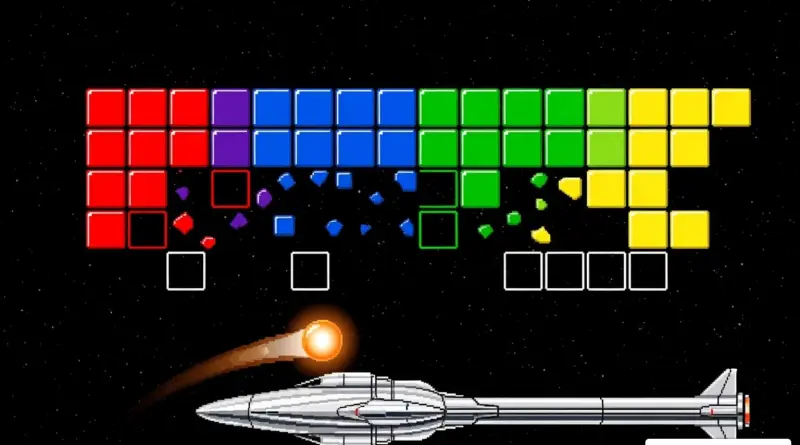
Google block breaker is a lightweight browser game inspired by classic block-breaking arcade titles. You control a horizontal paddle at the bottom of the screen. A ball bounces around. When the ball hits a block, the block breaks.
That’s it. No story. No characters. No upgrades.
The goal is simple. Clear all the blocks before you lose all your lives. The challenge comes from how fast everything moves and how little margin for error you get.
Because it runs directly in your browser, there’s no barrier to entry. Anyone can play. That’s part of the design.
Why Google Block Breaker Feels Instantly Familiar
It Uses Muscle Memory
If you’ve ever played a classic arcade game, your hands already know what to do. You don’t need instructions. You move left. You move right. You react.
It Avoids Overthinking
There are no menus to explore. No settings to tweak. The game starts immediately. That keeps your brain relaxed.
It Looks Calm
The visuals are clean. The colors are soft. Nothing screams for attention. That calm design lowers resistance and invites you in.
How Google Block Breaker Actually Works
Basic Controls
You control the paddle using simple left and right movement. That’s your only input. Everything else depends on timing.
Ball Physics
The ball follows predictable rules, but small changes matter. Where the ball hits the paddle affects its direction. A tiny shift can change the entire round.
Block Types
Some blocks break instantly. Others take more than one hit. As levels progress, layouts become trickier.
Lives and Failure
Miss the ball and you lose a life. Lose all lives and the game ends. There’s no save system. When it’s over, it’s over.
Why Google Block Breaker Is So Hard to Stop Playing
The Brain Loves Simple Loops
The game runs on a clean loop:
- Hit
- Break
- Score
- Repeat
Your brain loves predictable rewards. Each broken block delivers a small sense of success.
Near Wins Keep You Hooked
You often lose when you’re close to winning. That creates a powerful urge to retry. Your brain believes success was almost there.
No Real Consequences
You don’t lose money. You don’t lose progress in life. You just restart. That makes repeating easy.
I’ve caught myself saying “one last round” more times than I’d like to admit.
The Emotional Swing: Fun vs Frustration
This is where google block breaker gets interesting.
The Fun Side
- Smooth controls
- Quick satisfaction
- Visual clarity
- Simple goals
You feel in control when things go well.
The Frustrating Side
- Fast ball speed
- Tight angles
- Sudden losses
- No checkpoints
One mistake can end everything. That emotional drop is sharp.
That contrast is intentional. It keeps you engaged.
Also Read; Brooklyn Beckham: Career, Net Worth, Marriage to Nicola Peltz & What He’s Doing Now
Why Losing in Google Block Breaker Feels Personal
The game gives you full responsibility. There’s no randomness to blame. When you lose, it feels like your fault.
That can be motivating. It can also be irritating.
You don’t think, “The game cheated.”
You think, “I messed up that angle.”
That mindset pulls you back in.
Is Google Block Breaker Actually Challenging?
Yes, but not in a complex way.
Skill-Based Difficulty
The challenge comes from:
- Reaction speed
- Paddle precision
- Focus under pressure
There’s no memorization. No strategy tree. Just execution.
Skill Plateau
Most players improve quickly at first. Then progress slows. That plateau can feel discouraging.
That’s where many players either quit or become obsessed.
Can Google Block Breaker Improve Your Focus?
In short bursts, yes.
The game demands attention. You can’t multitask. Your eyes track movement constantly. That focus can feel refreshing.
However, long sessions can drain mental energy. The benefit comes from moderation.
Is Google Block Breaker Just a Time Killer?
Not entirely.
What It Does Well
- Breaks mental fatigue
- Resets attention
- Provides quick entertainment
What It Doesn’t Do
- Teach long-term skills
- Offer progression
- Replace meaningful rest
It’s a pause button, not a solution.
Common Mistakes Players Make
Many losses come from habits, not skill limits.
Overmoving the Paddle
Small movements work better than big swings.
Panicking at High Speed
Speed increases tension. Tension causes mistakes.
Ignoring Ball Angles
Watching the ball’s path matters more than reacting late.
Restarting Too Fast
Taking a short pause improves performance.
Practical Tips to Play Better
Stay Loose
Tension kills accuracy. Relax your hands.
Think Ahead
Watch where the ball will land, not where it is now.
Clear Dangerous Zones Early
Side blocks often cause unpredictable bounces. Remove them first.
Stop After Frustration
Playing angry rarely leads to better scores.
I always perform worse when I ignore that last tip.
Why Google Even Made Block Breaker
Google doesn’t release things randomly.
Engagement Experiment
Small games increase interaction time. They keep users on the page.
Design Testing
These games test motion, feedback, and simplicity.
Brand Personality
It shows Google as playful, not just functional.
The game serves multiple quiet purposes.
Is Google Block Breaker Safe for Everyone?
Content Safety
There’s no violence. No ads. No messaging. No purchases.
Time Safety
The real risk is losing track of time. That’s true for any game.
For kids, supervision and limits still matter.
Google Block Breaker vs Classic Arcade Games
What’s Similar
- Core mechanics
- Skill-based play
- Simple visuals
What’s Different
- No cabinets
- No coins
- No high-score culture
Google’s version is casual by design.
Why Simple Games Feel So Powerful
Complex games demand learning. Simple games demand execution.
That difference matters.
Google block breaker doesn’t overload your brain. It challenges your reactions. That balance makes it approachable and intense at the same time.
Should You Keep Playing Google Block Breaker?
That depends on how you use it.
If you play a few rounds to reset your mind, it’s useful.
If you play to avoid responsibilities, it becomes a problem.
Awareness is the line between fun and regret.
Conclusion
Google block breaker proves that you don’t need complexity to capture attention. Simple rules, clean design, and tight feedback are enough. The game delivers quick joy and quick frustration in equal measure.
You now understand why it hooks you, why it annoys you, and why it’s so easy to return. Used wisely, it’s a harmless mental break. Used endlessly, it becomes a distraction.
So the next time you see it appear, ask yourself one thing:
Are you playing for a moment—or escaping something?
FAQs
What is google block breaker?
It’s a simple browser game where you break blocks using a bouncing ball and paddle.
Is google block breaker free?
Yes, it’s completely free.
Do I need to install anything?
No installation is required.
Why is google block breaker addictive?
Fast feedback, near wins, and simple controls keep players engaged.
Can kids play google block breaker?
Yes, it’s safe in content.
Does google block breaker help focus?
Short sessions can improve attention and reaction time.
Is there a way to save progress?
No, each session resets.
How long should I play google block breaker?
A few minutes at a time is ideal.
