
Introduction
If you have ever felt uneasy about handing all your files to one big tech company, you are not alone. Many people rely on cloud services every day, yet they quietly worry about privacy, control, and rising costs. That concern is exactly why cloud storage alternatives are gaining serious attention right now. You may love the convenience of the cloud, but you might not love how little control you actually have.
In the last year, data breaches, sudden account bans, and price increases have pushed users to rethink their choices. You probably want your files safe, accessible, and truly yours. That is where cloud storage alternatives step in. These options give you more freedom, stronger privacy, and sometimes even lower costs.
In this article, you will explore what cloud storage alternatives really are, why people are switching, and which options make sense for different needs. You will see the good, the bad, and the smart trade-offs. By the end, you will know exactly which direction feels right for you.
What Are Cloud Storage Alternatives?
Cloud storage alternatives are ways to store and access your files without fully depending on mainstream cloud providers. Instead of trusting a single company with your data, you choose a different model. That model may be local, private, decentralized, or hybrid.
These alternatives still let you store documents, photos, and videos safely. The difference is control. With cloud storage alternatives, you decide where data lives, who can access it, and how it is protected.
Some options feel very tech-friendly. Others are surprisingly simple. What matters is that you are no longer locked into one ecosystem.
Why People Are Leaving Traditional Cloud Storage
Many users do not leave out of anger. They leave out of frustration.
First, privacy is a big issue. You may not like the idea of automated scans reading your files. Even if nothing bad happens, the feeling matters.
Second, pricing keeps rising. Free plans shrink. Paid plans cost more every year. Over time, that adds up.
Third, access control can be scary. Accounts get locked. Files vanish temporarily. Appeals take days.
Cloud storage alternatives promise relief from these problems. That promise is what draws people in.
Local Storage as a Cloud Alternative
External Hard Drives and SSDs
The simplest cloud storage alternative is local storage. External hard drives and SSDs give you full ownership.
You plug them in. You copy files. You unplug them. No internet is needed.
Pros:
- Full control of your data
- One-time cost
- No online exposure
Cons:
- Physical damage risk
- No automatic syncing
- Manual backups required
If you value privacy above everything, this option feels comforting. I personally like keeping sensitive files offline. It just feels safer.
Network Attached Storage (NAS)
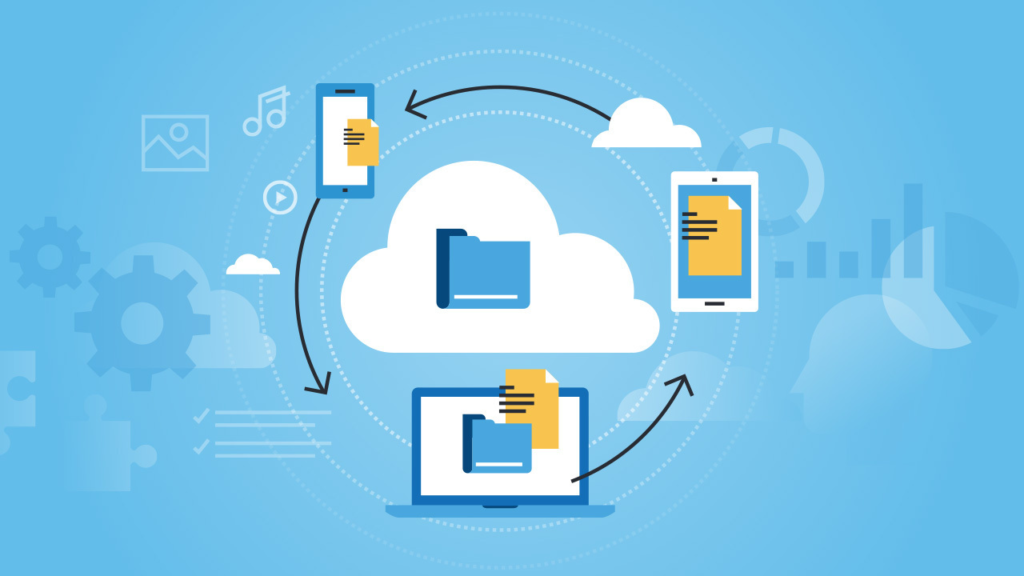
NAS devices bring a smarter local approach. You store files at home but access them remotely.
Think of NAS as your personal cloud. It runs on your network. You control every setting.
Benefits include:
- Remote access
- User permissions
- Automatic backups
The downside is setup. It takes time and learning. Still, many users find NAS the most balanced cloud storage alternative.
Private Cloud Solutions
Private cloud systems let you create your own cloud environment. You still get syncing and sharing, but without big corporations.
Self-Hosted Cloud Platforms
These platforms run on your server or NAS device. You manage everything.
Why users like them:
- Strong privacy
- Custom features
- No forced policies
Challenges include:
- Technical setup
- Maintenance effort
- Responsibility for security
If you enjoy control and learning, this cloud storage alternative feels empowering.
Encrypted Cloud Storage Alternatives
Some people still want online storage but demand encryption.
Zero-Knowledge Storage Services
These services encrypt files before upload. Even the provider cannot read your data.
Key advantages:
- Strong privacy
- Easy syncing
- Cross-device access
Possible drawbacks:
- Slower speeds
- Limited free space
- Password loss risks
This option suits users who want cloud convenience without giving up privacy.
Decentralized Storage Networks
Decentralized storage is one of the newest cloud storage alternatives.
Instead of one server, files are split and stored across many nodes. No single entity controls everything.
Also Read: Savannah Guthrie: The Emotional Search for Her Missing Mother
How Decentralized Storage Works
Your data is encrypted. Pieces are distributed worldwide. Only you hold the keys.
Why it feels appealing:
- No central control
- High redundancy
- Strong censorship resistance
Why it feels risky:
- New technology
- Learning curve
- Limited customer support
This option attracts users who believe in digital independence.
Offline-First Storage Solutions
Offline-first tools focus on local storage first. Cloud syncing comes second.
You work offline. Changes sync later.
Why users like this model:
- No constant internet need
- Faster local access
- Reduced cloud dependency
Offline-first tools feel calm. Your work is always there, even without Wi-Fi.
Hybrid Storage Models
Hybrid models mix cloud and local storage.
You keep important files locally. You sync backups online.
This balance reduces risk. If one system fails, the other still works.
Many professionals prefer this approach. It feels practical and flexible.
Security Considerations You Must Know
No storage option is perfect. Cloud storage alternatives still carry risks.
You must think about:
- Encryption strength
- Backup frequency
- Physical security
- Password management
I always recommend having at least two backups. One local. One separate. Peace of mind matters.
Cost Comparison: Cloud vs Alternatives
Cloud subscriptions feel cheap at first. Over years, they grow expensive.
Local storage costs more upfront. Over time, it often saves money.
Private clouds cost time and effort. That is a hidden expense.
Decentralized storage pricing can vary. It depends on usage and network demand.
Understanding total cost helps you choose wisely.
Performance and Speed Differences
Local storage is fastest. There is no competition.
Private clouds depend on your internet speed.
Encrypted services can feel slower due to encryption overhead.
Decentralized networks vary. Speed depends on node availability.
Your workflow matters. Speed affects productivity more than people realize.
Accessibility and Convenience
Cloud storage shines in convenience. Alternatives must catch up.
NAS devices allow mobile access but need setup.
Encrypted services work well across devices.
Offline-first tools feel great for writing and creative work.
Think about where and how you work daily.
Data Ownership and Control
Ownership is where cloud storage alternatives win.
You own the hardware.
You control access.
You decide retention.
That feeling of control is powerful. Once you experience it, going back feels hard.
Who Should Use Cloud Storage Alternatives?
These options are ideal if you:
- Care about privacy
- Handle sensitive data
- Hate subscription creep
- Want long-term control
They may not suit users who want zero setup and instant sharing.
How to Choose the Right Option for You
Ask yourself simple questions:
- How sensitive are my files?
- Do I need remote access?
- Am I comfortable with setup?
- What is my budget long-term?
Your answers point you to the right cloud storage alternative.
Common Myths About Cloud Alternatives
Many believe alternatives are unsafe. That is not true.
Others think they are too complex. Some are simple.
Another myth is cost. Long-term costs can be lower.
Education removes fear. That is why this topic matters.
The Future of Storage Is Changing
Data ownership is becoming a movement. People want freedom.
New laws push privacy forward. Users demand transparency.
Cloud storage alternatives will keep evolving. Options will improve.
This shift feels permanent, not temporary.
Conclusion
Cloud storage alternatives are no longer niche. They are practical, powerful, and increasingly popular. Whether you choose local storage, a private cloud, encrypted services, or a hybrid setup, the key is control. You deserve to know where your data lives and who touches it.
The right choice depends on your comfort level and priorities. Some people value convenience. Others value privacy. Many want both. Exploring cloud storage alternatives helps you make a smarter decision.
So ask yourself this: are you storing files out of habit, or out of choice? Share this article if it helped you think differently.
FAQs
1. Are cloud storage alternatives safe?
Yes, many are very safe when set up properly.
2. Do I need technical skills to use them?
Some require skills. Others are beginner-friendly.
3. Are cloud storage alternatives cheaper?
Long-term, many can be cheaper than subscriptions.
4. Can I access files remotely?
Yes, especially with NAS or private cloud setups.
5. Is encryption necessary?
It strongly improves privacy and security.
6. What is the easiest alternative to start with?
External drives or encrypted storage services.
7. Can I combine cloud and alternatives?
Yes, hybrid setups are very popular.
8. Are decentralized networks reliable?
They are improving but still evolving.
9. Will alternatives replace cloud storage?
They will likely coexist, not fully replace.
10. Is data ownership really important?
For many users, it is becoming essential.
