
Introduction
Taylor Swift is one of those names you don’t just hear. You feel it. Whether her music plays during a breakup, a long drive, or a quiet late-night moment, she has a way of showing up exactly when emotions feel heavy. For many people, Taylor Swift is more than a singer. She becomes a voice for thoughts you never knew how to express.
In today’s world, Taylor Swift stands at a strange crossroads. She is deeply loved and heavily criticized at the same time. Some see her as a musical genius who understands emotions better than anyone else. Others feel she is overexposed or overrated. Both opinions exist loudly, and neither seems to fade.
This article explores Taylor Swift as a person, an artist, and a cultural force. You’ll walk through her journey from a small-town girl to a global icon. You’ll see why her lyrics feel personal to millions of people. You’ll also understand why criticism follows her everywhere she goes. By the end, you won’t just know her story. You’ll understand why it matters.
Early Life and the Roots of Taylor Swift’s Ambition
Taylor Swift was born in Pennsylvania, far from the bright lights of fame. Her childhood looked ordinary on the surface. But beneath that normal life was an intense creative drive. From a young age, she gravitated toward storytelling. Writing songs felt natural to her, not forced.
Her family noticed her passion early. Instead of dismissing it as a phase, they supported it fully. That support changed everything. When she showed interest in country music, they listened. When she wanted to perform, they helped. When she dreamed bigger, they moved mountains.
Moving to Nashville was not an easy choice. It meant leaving comfort behind. It meant rejection and uncertainty. But Taylor Swift believed in her talent deeply. That belief became the foundation of her career. Many people dream. Few commit like she did.
Taylor Swift’s First Break in Country Music
Taylor Swift entered the music industry as a teenager. That alone made her stand out. She didn’t sing about distant ideas. She sang about school hallways, crushes, and heartbreak. Her lyrics felt like pages from a diary.
Her debut album connected instantly. Young listeners felt seen. Older listeners appreciated the honesty. Country radio embraced her storytelling style. It didn’t feel manufactured. It felt real.
What made Taylor Swift different was her involvement in every step. She wrote her own songs. She understood her audience. She wasn’t chasing trends. She was telling her truth. That authenticity created trust early in her career.
Success didn’t come overnight. It grew slowly. But once it started, it never stopped.
Fearless Era and the Explosion of Fame
When Fearless arrived, Taylor Swift crossed a line few artists manage. She moved from popular to unavoidable. The album resonated beyond country fans. Pop listeners tuned in. International audiences followed.
Songs from this era captured young love perfectly. The excitement. The confusion. The heartbreak. You didn’t need to live her life to understand the emotions. They were universal.
Awards followed quickly. Media attention intensified. Taylor Swift became a public figure, not just a singer. With that visibility came pressure. Expectations grew heavier. But she continued writing from the heart.
This era defined her early legacy. It showed that she wasn’t a one-album success. She was building something lasting.
Reinvention and the Shift Toward Pop Music
Transitioning genres is risky. Many artists lose their identity along the way. Taylor Swift approached it differently. She didn’t abandon storytelling. She adapted it.
As her sound evolved, her lyrics stayed personal. Pop production wrapped around emotional honesty. That balance mattered. It kept longtime fans engaged while inviting new listeners.
Some fans resisted the change. That reaction is natural. Change challenges comfort. But Taylor Swift didn’t apologize for growth. She leaned into it.
This moment marked a turning point. She wasn’t just reacting to the industry. She was leading it.
1989 and Global Stardom
1989 was more than an album. It was a statement. Taylor Swift fully embraced pop music without hesitation. The sound felt bold and confident. The lyrics reflected independence and self-awareness.
This era expanded her reach globally. Stadium tours sold out instantly. Media coverage became constant. Her presence in pop culture felt overwhelming at times.
Critics praised her evolution. Fans celebrated her confidence. At the same time, backlash grew. Overexposure became a common complaint.
Yet, through it all, Taylor Swift stayed focused. She understood that success comes with noise. What mattered most was creating music that felt honest.
Why Taylor Swift’s Lyrics Feel So Personal
Taylor Swift writes like she’s talking directly to you. That’s rare. She focuses on details others overlook. A moment of silence. A glance across the room. A single sentence that changes everything.
Her songs don’t just describe feelings. They recreate them. You remember where you were the first time you heard certain lyrics. That emotional memory sticks.
I’ve noticed that even people who claim not to like her music can quote her lyrics. That says something. Her writing leaves an imprint whether you want it to or not.
This connection is why her fanbase feels so loyal. The music feels personal, even when millions listen to it.
Control, Ownership, and Business Intelligence
Taylor Swift’s fight for ownership changed the industry. When she lost control of her masters, she didn’t stay silent. She chose action over complaint.
Re-recording her albums was bold. It required time, effort, and risk. But fans supported her decision fully. Sales reflected loyalty and belief.
This move wasn’t just personal. It sparked conversations about artist rights everywhere. Younger musicians watched closely.
Taylor Swift proved that creativity and business intelligence can coexist. She showed that artists don’t have to give up control to succeed.
Criticism, Backlash, and Public Scrutiny
With massive fame comes massive criticism. Taylor Swift experiences this constantly. Some accuse her of being overexposed. Others question her authenticity.
Her relationships often become public discussions. Breakups turn into headlines. Songs get analyzed beyond intention.
At times, the criticism feels unfair. At other times, it reflects genuine fatigue from constant visibility. Both realities exist.
What stands out is her response. She adapts. She reflects. She grows. Her recent work shows self-awareness and maturity shaped by experience.
Folklore, Evermore, and Emotional Depth
During a quieter period globally, Taylor Swift released Folklore. The album felt intimate and reflective. It surprised many listeners.
The sound was softer. The stories felt deeper. It wasn’t about chart domination. It was about expression.
Evermore continued that journey. Creativity took center stage. Expectations faded into the background.
These albums reminded listeners why she mattered in the first place. Not for fame. But for feeling.
Touring Power and Fan Loyalty
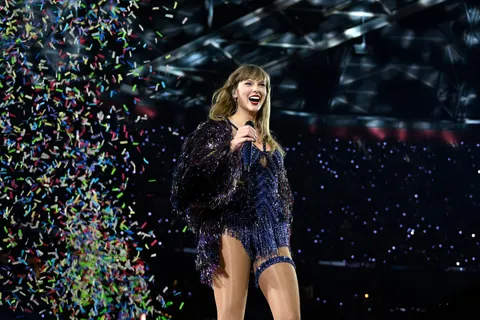
Taylor Swift’s tours are experiences, not just concerts. Fans travel across countries to attend. Tickets sell out instantly.
The production feels intentional. Every detail matters. Fans feel appreciated, not exploited.
Her connection with listeners feels genuine. She acknowledges their support consistently.
That relationship fuels longevity. It’s not built on hype alone. It’s built on trust.
Cultural Influence Beyond Music
Taylor Swift influences fashion, language, and online culture. Lyrics turn into captions. Styles turn into trends.
She shapes conversations without trying too hard. That subtle influence is powerful.
Younger artists openly cite her as inspiration. Her career becomes a blueprint for creative control.
Her impact extends beyond charts. It lives in everyday culture.
Also Read: Pedrovazpaulo Business Consultant: Scaling Your Venture in 2026
Polarized Opinions and Emotional Projection
People feel strongly about Taylor Swift because her music touches emotions deeply. Fans project their experiences onto her songs. Critics project frustration onto her success.
Neutral opinions disappear in the noise. You either care or react.
That polarization keeps her relevant. Love and criticism feed the same spotlight.
Few artists navigate that space successfully. She does.
The Psychology Behind Her Fanbase
Taylor Swift fans feel understood. Her music validates emotions without judgment.
That emotional safety creates loyalty. Fans don’t just follow releases. They follow growth.
The sense of community matters. Shared excitement builds belonging.
Music becomes more than entertainment. It becomes identity.
Taylor Swift’s Legacy So Far
Taylor Swift has redefined what it means to be an artist in control. She blends creativity with strategy. Emotion with intelligence.
Her career spans genres without losing authenticity. Her voice evolves without disappearing.
Few artists reach this level of influence. Fewer maintain it.
Her story is still unfolding.
Conclusion
Taylor Swift’s journey is complex, emotional, and deeply human. She inspires devotion and criticism in equal measure. That tension keeps her relevant and fascinating.
You’ve seen her growth, struggles, reinvention, and resilience. She reflects emotions many people struggle to express. That’s why her music lasts.
Whether you admire her or question her fame, her impact is undeniable. She doesn’t just make music. She shapes moments in people’s lives.
So now, think about it. Which Taylor Swift song feels like it was written just for you?
FAQs
Taylor Swift is popular because her lyrics connect emotionally with listeners across generations.
She began her career in country music before transitioning into pop successfully.
Taylor Swift writes or co-writes most of her songs, which adds authenticity.
She re-recorded her albums to regain ownership and creative control.
Criticism follows her due to high visibility and long-term fame.
Her tours break records because fans feel emotionally connected.
Taylor Swift influences fashion, language, and pop culture globally.
Many younger artists credit her as a career inspiration.
Her music evolves while maintaining emotional honesty.
Taylor Swift continues shaping the industry with creativity and control.
