
Introduction
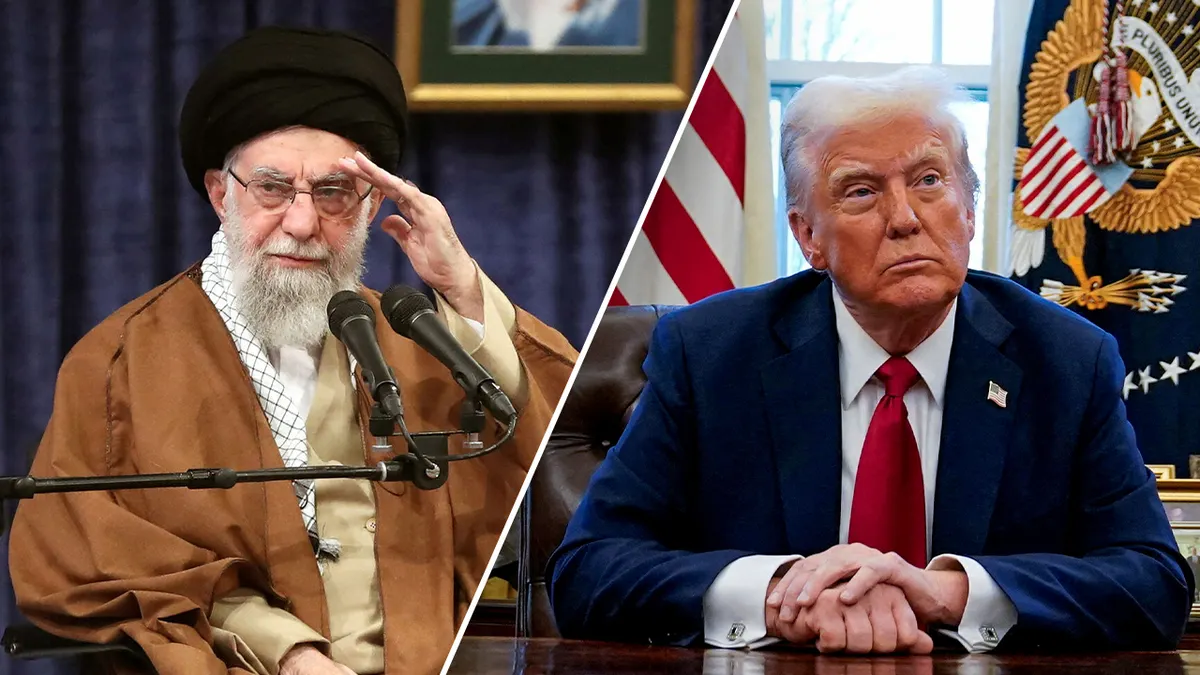
When global leaders trade accusations, the world listens. But when those claims involve protest-related deaths, rising international tensions, and a former U.S. president, the story quickly captures global attention. In recent days, headlines have surged after Iran’s Supreme Leader, Trump Blamed for Iran Protest Deaths by Supreme Leader Khamenei became a central political narrative.
If you follow global politics, this claim likely made you pause. It raises difficult questions: how much influence does the United States truly have within Iran? Can outside pressure translate into real consequences on the ground? And why is this accusation re-emerging at this particular moment?
In this article, we break down what Iran’s Supreme Leader actually said, what was unfolding on the ground during the protests, and how former U.S. President Donald Trump became part of the narrative. We’ll also examine the broader geopolitical dynamics at play—because statements like these are rarely just about the past.
What Khamenei Said and Why It Matters
Iran’s Supreme Leader, Ayatollah Ali Khamenei, was blunt in his remarks. In a public address, he accused the United States—naming Donald Trump directly—of having a hand in the unrest that resulted in deaths during Iran’s protests.
According to Khamenei, U.S. policies led to economic strain and social instability, which he argued drove people into the streets and intensified the violence.
That’s why the headline “Trump Blamed for Iran Protest Deaths by Supreme Leader Khamenei” carried such weight. It wasn’t mere rhetoric—it was a calculated political signal.
Why Iran Makes These Claims Publicly
Iran’s leadership often addresses two audiences at the same time: the domestic population and the international community. Pointing to an external adversary helps redirect attention away from internal governance challenges while reinforcing a long-standing narrative of resistance to Western influence. This pattern has appeared repeatedly throughout Iran’s modern political history.
Understanding the Iran Protests
To understand the accusation, context matters.
Iran has seen repeated waves of protests over the past decade, driven by a combination of factors rather than a single triggering event.
Common Causes Behind the Protests
- Rising inflation
- High unemployment
- Fuel price hikes
- Government corruption claims
- Social restrictions
Many of those who took to the streets were ordinary people—workers, students, and families struggling to make ends meet. While some demonstrations began peacefully, clashes with security forces quickly escalated, leading to casualties, mass arrests, and growing international concern.
How Trump’s Policies Fit Into the Picture
During Trump’s presidency, the United States withdrew from the Iran nuclear deal and reimposed sweeping sanctions. Those measures were later expanded, placing direct strain on Iran’s economy.
Key U.S. Actions Under Trump
- Withdrawal from the JCPOA
- Severe economic sanctions
- Pressure on oil exports
- Diplomatic isolation
Iran’s economy suffered as a result.
There’s no real debate about that.
Where opinions differ is whether those policies directly caused protest deaths.
That debate is at the heart of why Trump Blamed for Iran Protest Deaths by Supreme Leader Khamenei remains so controversial.
Can Sanctions Lead to Civil Unrest?
This is a question many analysts ask.
Sanctions don’t fire bullets.
But they can create conditions where unrest becomes more likely.
Here’s how that chain reaction can happen:
- Sanctions weaken the economy
- Prices rise
- Jobs disappear
- Public frustration grows
- Protests erupt
- Force is used to suppress unrest
When you look at it this way, Iran argues foreign pressure plays a role—even if indirectly.
Still, critics say responsibility lies with the government that chooses force over reform.
Iran’s Longstanding Tensions With the U.S.
This accusation didn’t come out of nowhere.
Iran and the U.S. have been adversaries for decades. Every major protest cycle in Iran tends to include claims of foreign interference.
Why the U.S. Is Often Blamed
- Historic hostility
- Sanctions history
- Intelligence conflicts
- Media influence claims
Donald Trump, due to his aggressive stance, became an easy focal point.
So when you see Trump Blamed for Iran Protest Deaths by Supreme Leader Khamenei, understand it fits a broader pattern—not a sudden shift.
Also Read: Streameast Live Sports: Powerful Access, Real Risks, Honest Truth
How the U.S. Responded
U.S. officials rejected the accusation.
They argued that Iran’s leadership is responsible for how protests are handled. According to them, sanction pressure does not justify violent crackdowns.
From the U.S. perspective:
- Protests reflect internal dissatisfaction
- Government force caused casualties
- Blame is being redirected
This back-and-forth is typical in diplomatic conflicts. Each side frames events to support its narrative.
Media Reactions Around the World
International media reacted differently depending on region and political leanings.
Western Media Focused On
- Human rights violations
- Protester deaths
- Government accountability
Iranian Media Emphasized
- Foreign interference
- Economic warfare
- National sovereignty
As a reader, you’re often caught between two versions of the same story.
That’s why context matters.
What This Means for Global Politics
Statements like these are rarely about just one event.
By accusing Trump, Iran sends a message:
- To the U.S.: pressure won’t go unanswered
- To allies: Iran sees itself as under siege
- To citizens: blame lies abroad, not at home
This messaging affects diplomacy, sanctions talks, and future negotiations.
And yes, it keeps tensions alive.
Why This Story Still Matters Today
Even though Trump is no longer in office, his policies still shape U.S.–Iran relations.
Sanctions remain.
Distrust remains.
So does political memory.
That’s why Trump Blamed for Iran Protest Deaths by Supreme Leader Khamenei continues to resurface in discussions about accountability and power.
Conclusion
When you see headlines like “Trump Blamed for Iran Protest Deaths by Supreme Leader Khamenei,” it’s easy to respond emotionally. But looking deeper provides a clearer picture.
This story isn’t about a single leader or a single protest. It reflects the intersection of power, pressure, and the ways global politics influence local realities. Sanctions, governance, and public frustration all play a role.
For readers, the most important takeaway is to stay informed—question narratives, compare perspectives, and remember that complex issues rarely come with simple villains.
